
CNSA 2.0 Is Quietly Exposing the Real Problem with Machine Trust
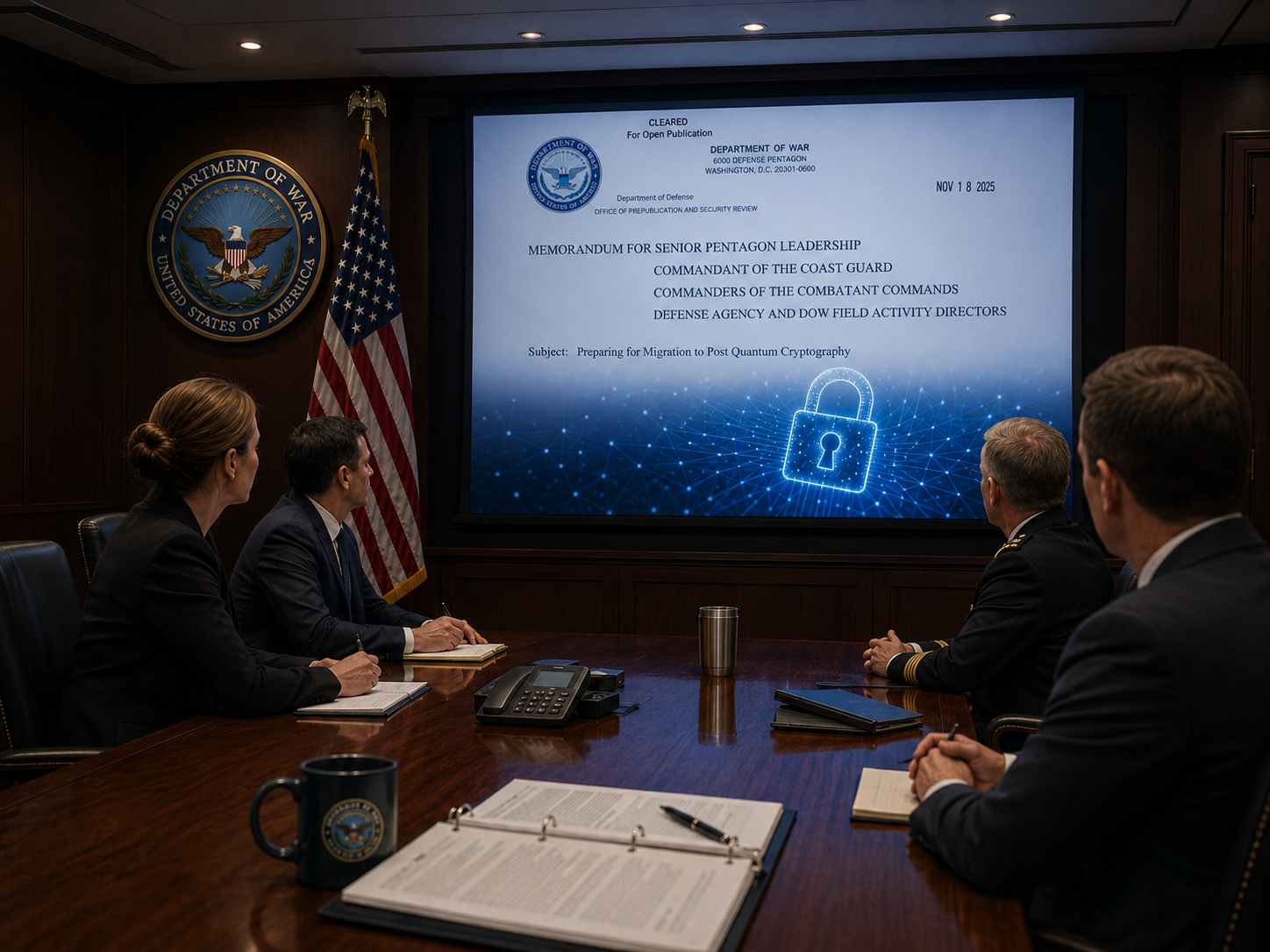
CNSA 2.0 is often discussed as a cryptography deadline. That is understandable. The move away from quantum-vulnerable public key algorithms is a major shift, and the new post-quantum standards matter.
But if the conversation stops at algorithms, it misses the larger issue. The post-quantum transition is forcing organizations to confront how machines establish trust in the first place.
Most systems still rely on objects that must be stored and later trusted: certificates, keys, tokens, shared secrets, static identities, and trust anchors. Those objects need to be issued, protected, rotated, revoked, audited, and eventually replaced. The larger and more distributed the environment becomes, the harder it is to defend.
CNSA 2.0 pulls on that thread. It not only asks whether the cryptography is strong enough. It asks whether the trust architecture underneath the product can survive the next era of security expectations.